
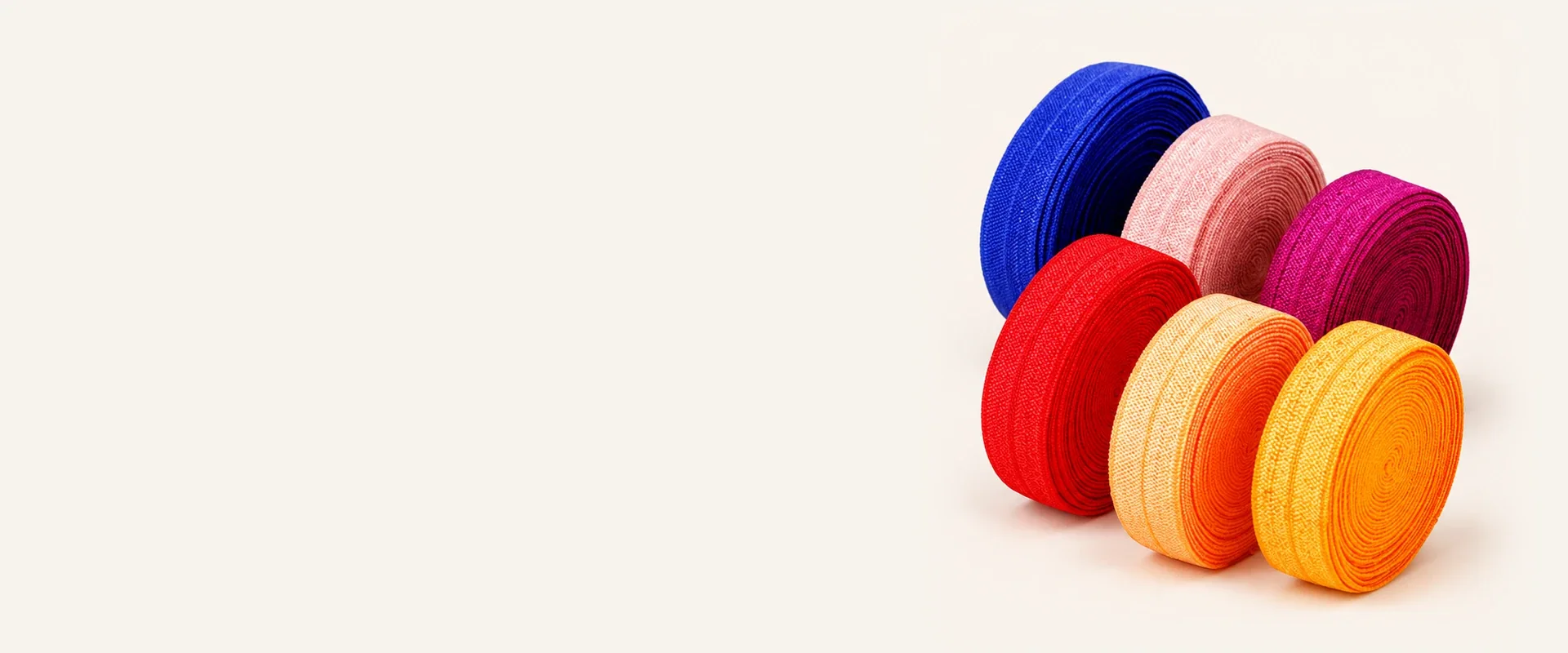
Custom Elastic Ribbon
We make plain elastic for hidden bands, ribbed trim for garment edges and stretch velvet for visible ties. Width, relaxed cut length and the join determine fit.
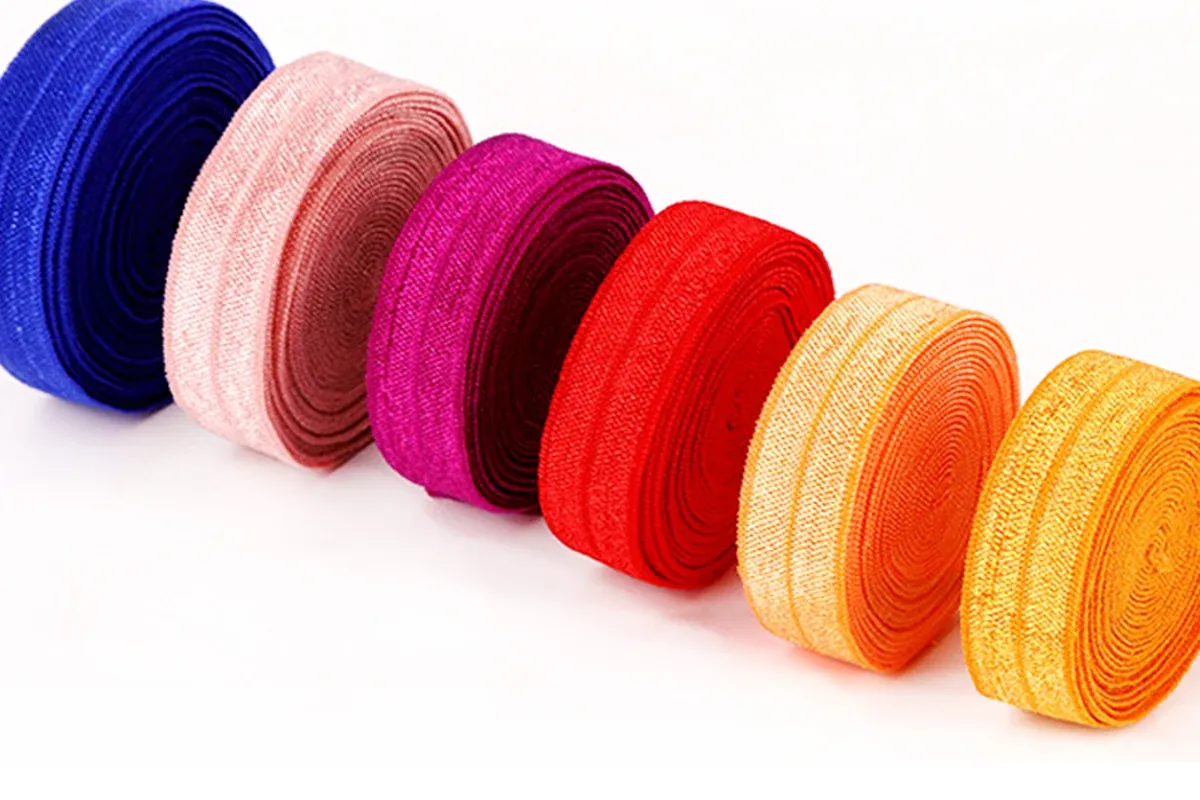
Elastic band options
- Plain elastic can sit inside a garment opening.
- Ribs add a line of texture to the exposed band.
- Stretch velvet adds soft pile to a wristband, waistband or hair tie.
- Rolls and cut pieces suit different sewing and assembly jobs.
- Ribbon orders start at 50 meters.
From flat strip to fitted band
Plain elastic can sit in a casing. Velvet can face out on an accessory. We can adjust the surface, width and cut length to suit the seam or fastening.

Plain face
A slim, plain band can sit inside a casing.

Ribbed surface
Crosswise ribs give an exposed band more texture.
Velvet pile
A plush face gives a hair tie or decorative closure a softer outline.

Band width
A wider strip spreads contact across more of the opening.

Colorways
The face can match the garment or stand out as a separate stripe.

Lengths
Rolls suit different cuts. Pre-cut strips suit loops of the same size.
Plain and decorative elastic
Hidden bands, velvet closures and decorative hair ties use stretch in different ways.
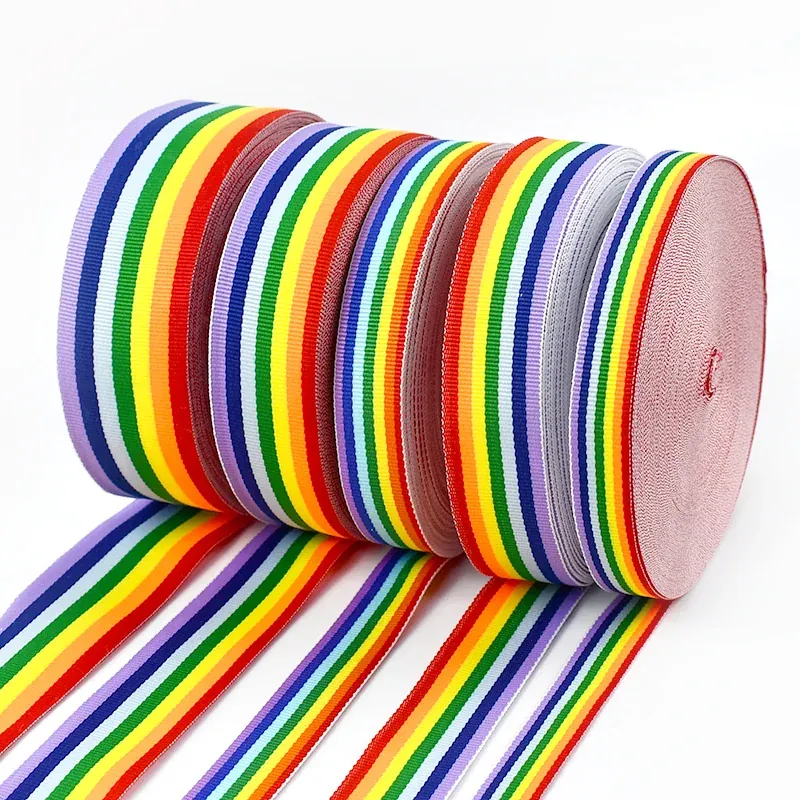
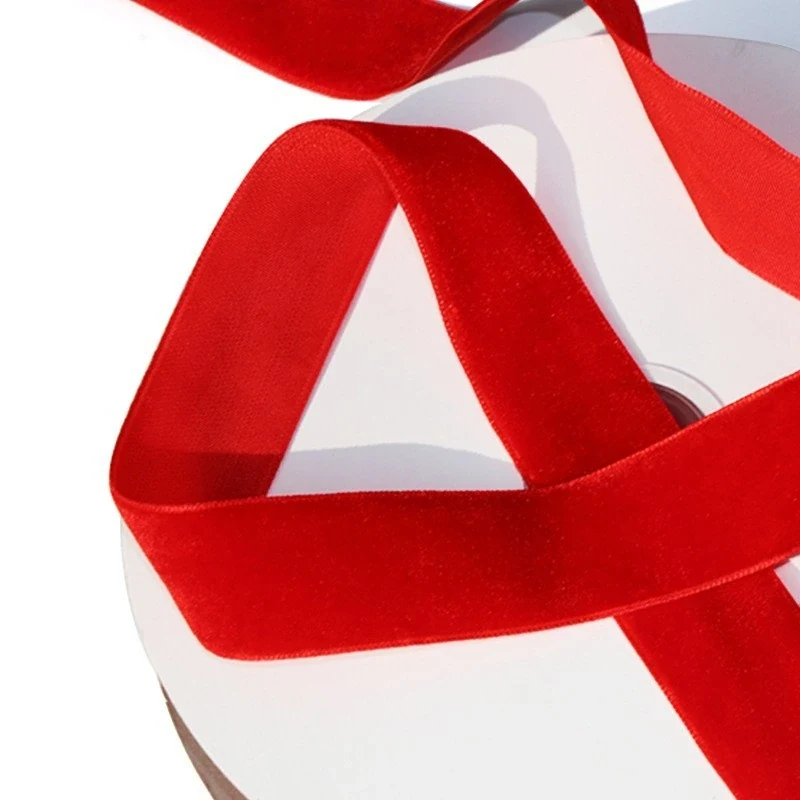
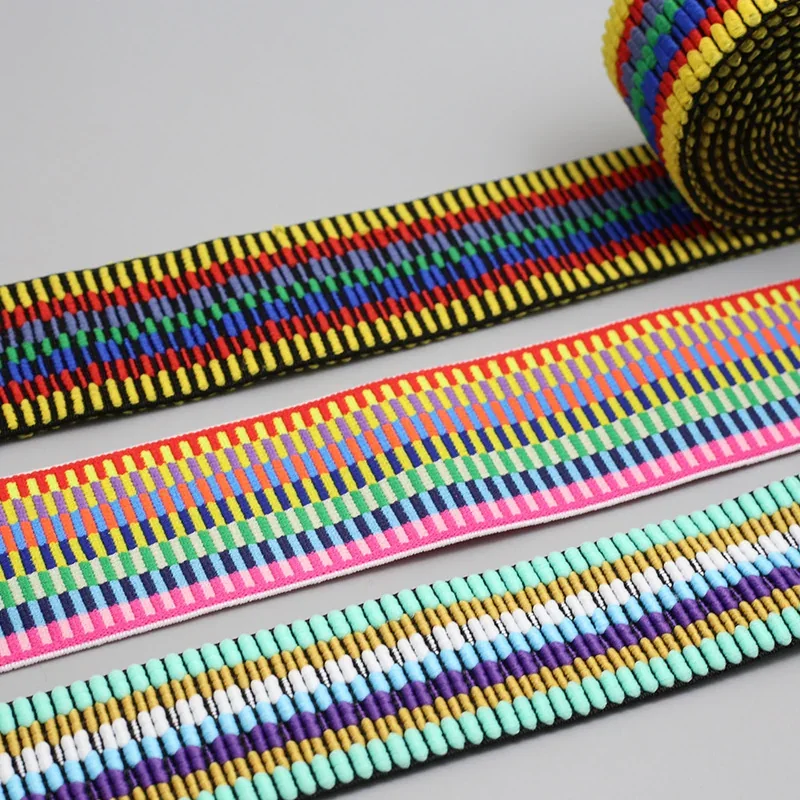

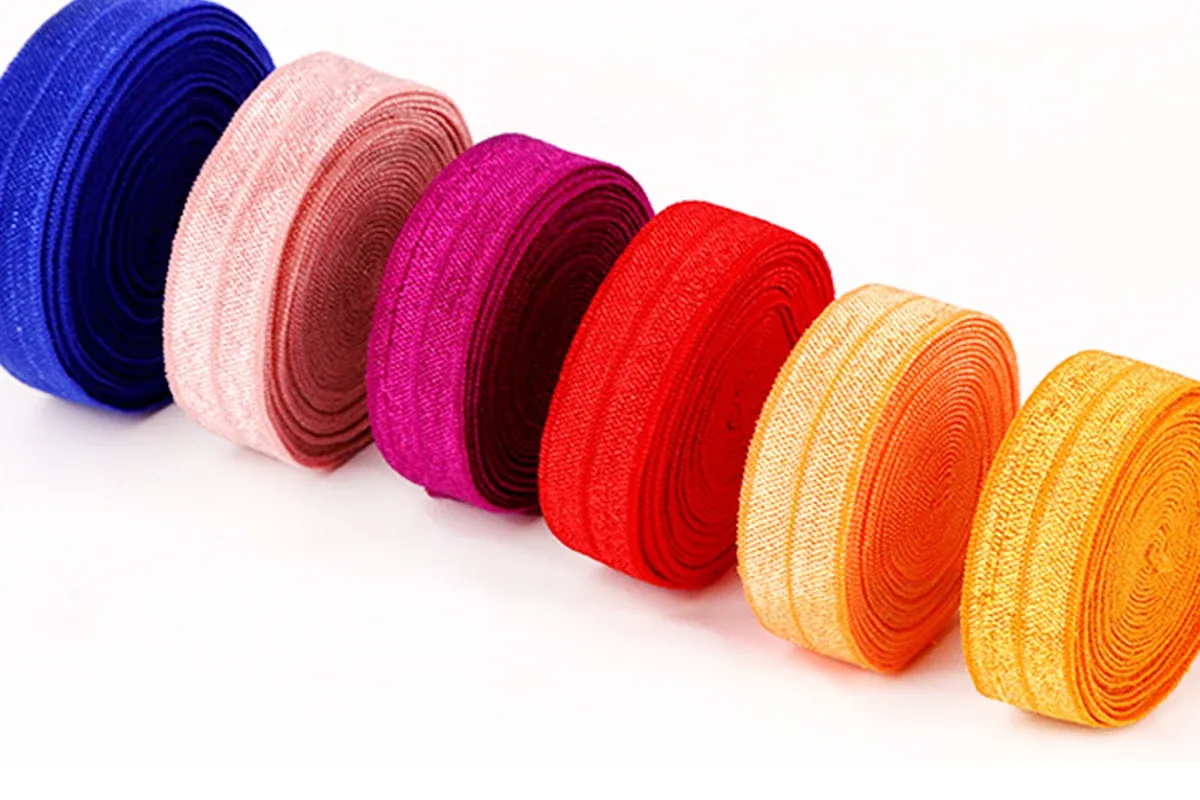
Elastic surface styles
Elastic can stay out of sight in clothing or form the visible face of an accessory.
-
Elastic Ribbon
A plain band suits a hidden opening or simple tie. -
Stretch Velvet Ribbon
Stretch velvet can put a soft surface on the outside of the elastic. -
Elastic Webbing
Elastic webbing gives a broader contact area around a closure. -
Elastic Hair Tie Ribbon
A hair tie can be made from a short elastic length joined into a loop.
The cut length before joining
We measure the cut strip at rest and the opening at its fitted size. An overlap or knot takes up some of the cut length.
-
Strip width
Narrow elastic can suit a hair tie. A wider band spreads contact across the opening. -
Resting cut
We measure the cut piece without stretching it. -
Overlap
A sewn join needs extra ribbon for the overlap. -
Fit reference
Fitted circumference describes the garment or closure. Roll quantity is a separate measurement.
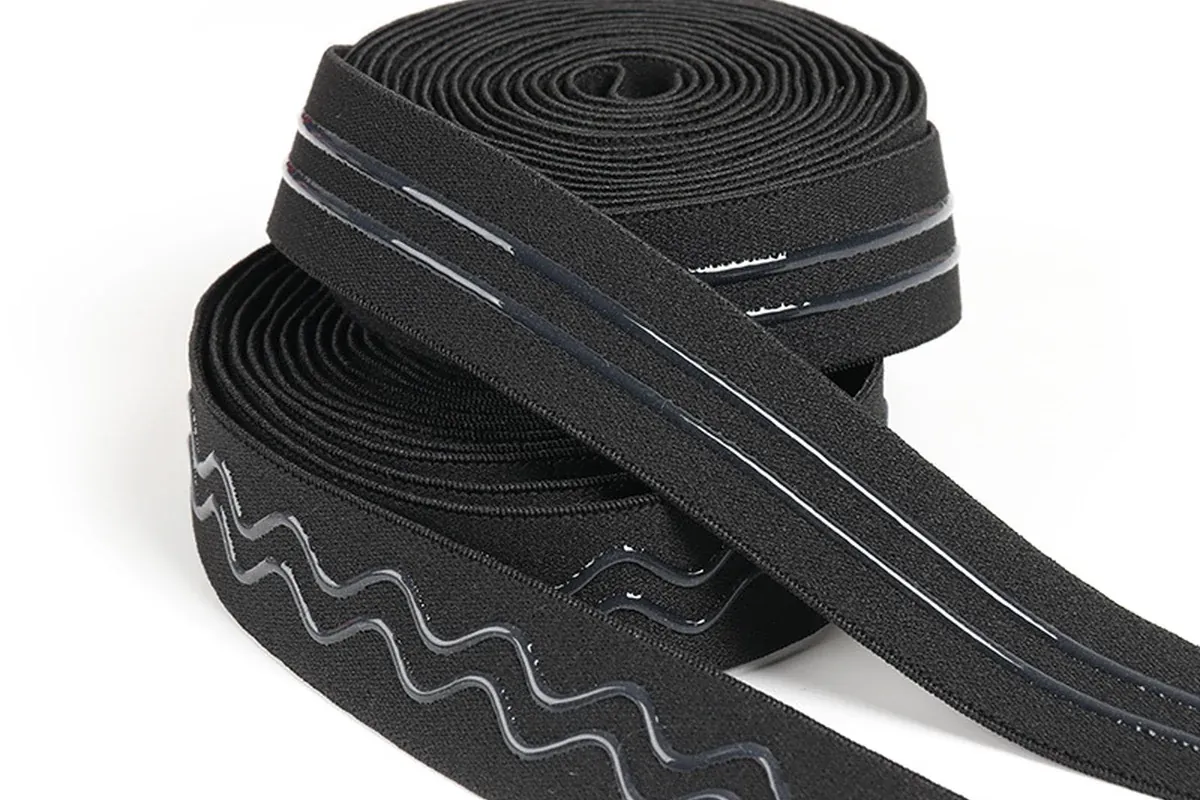
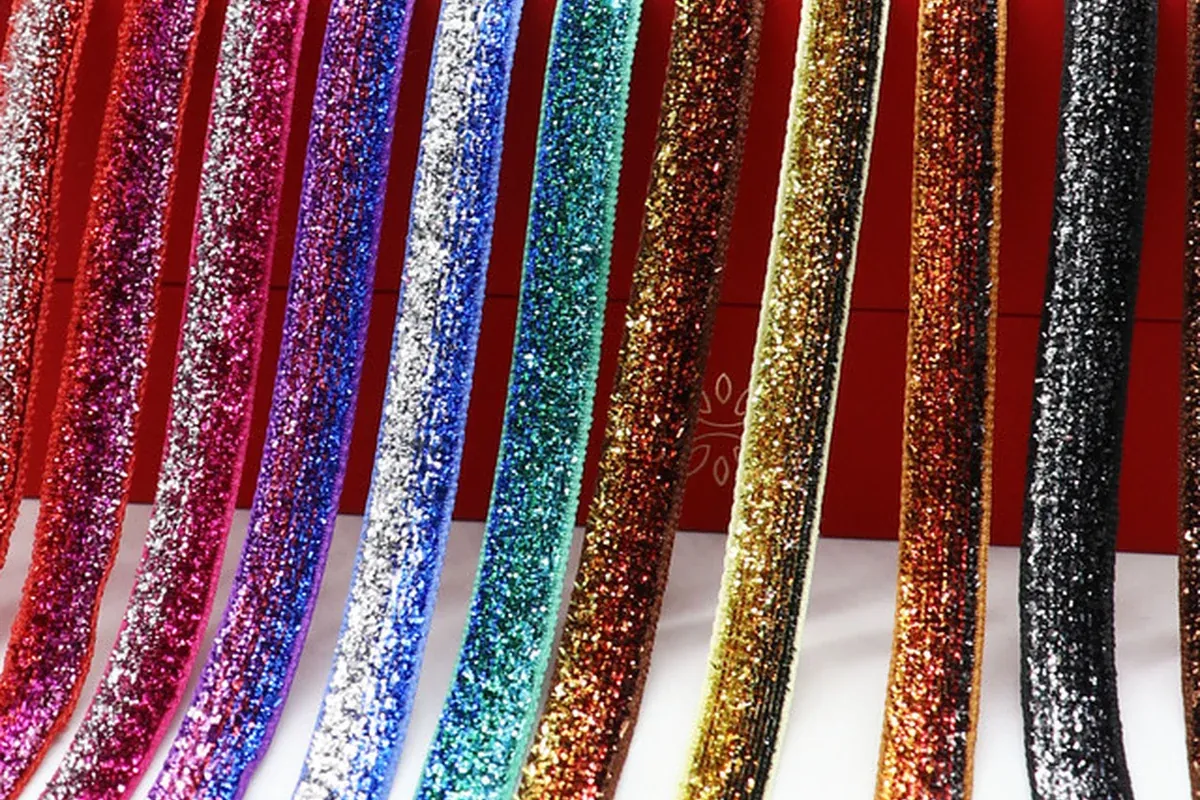
Color on a moving band
Stretch can change how the surface looks.
-
Plain shade
A solid shade can match the garment or packaging. -
Velvet sheen
Velvet pile can look different as the band stretches. -
Ribbed face
The ribs open as the band stretches. -
Visible design
A stripe or letter can widen at the fitted length.
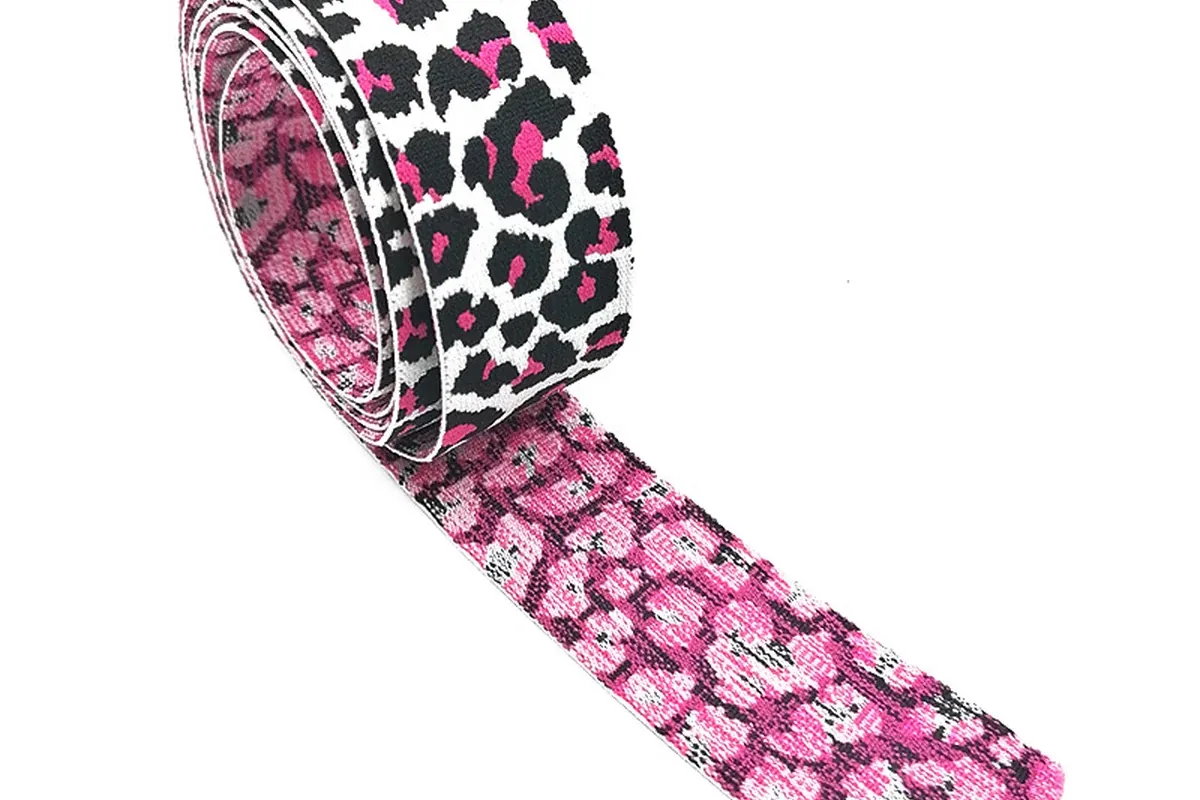
Plain, ribbed and velvet bands
A casing hides the face. On an exposed band, the surface detail needs enough room to show when stretched.
-
Concealed band
Plain elastic disappears inside a sewn channel. -
Ribbed edge
A raised surface makes the visible band more distinct. -
Velvet tie
A plush outer face can become the decorative part of a closure. -
Joined ring
On repeated accessory pieces, the seam or knot can sit underneath.
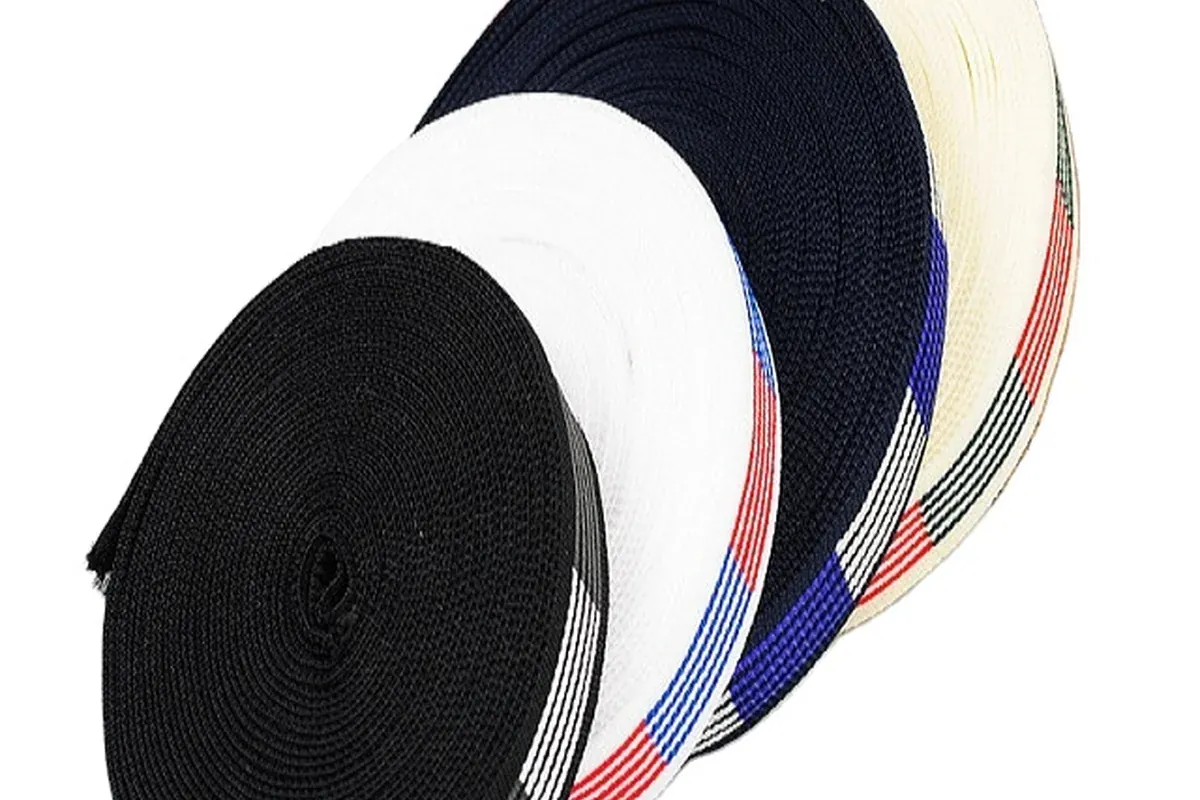
Roll length and cut pieces
Orders can specify meters per roll or the length of each cut strip, both measured at rest.
-
Continuous roll
The sewing room can cut several loop sizes from one roll. -
Pre-cut bands
Equal cuts can include the same allowance for the join. -
Width groups
Different band widths can be separated for assembly. -
Color groups
Labels can match similar shades to a garment style or closure.
Materials for elastic bands
Elastic can stay inside a garment or show as trim.
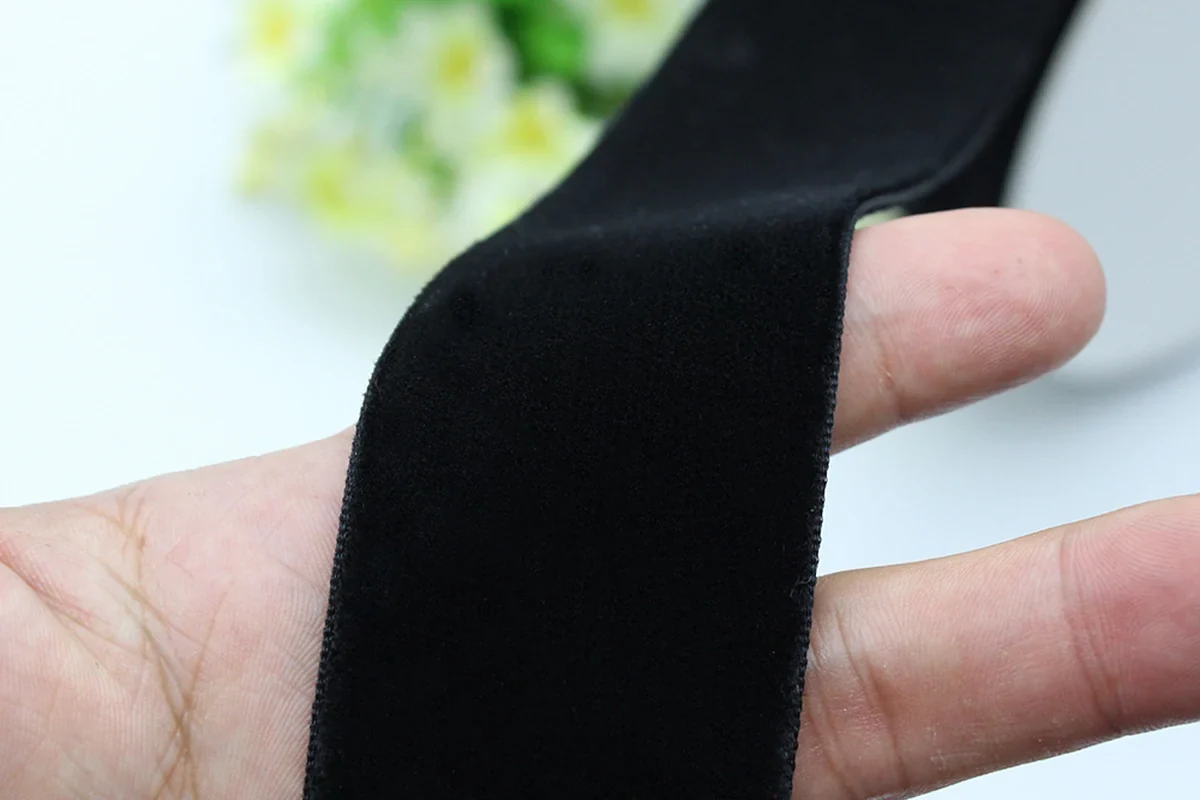
Elastic yarn and velvet faces
Stretch velvet adds pile to a fitted band. Plain elastic sits flatter and feels smoother inside a casing.
Velvet ribbon and stretch velvet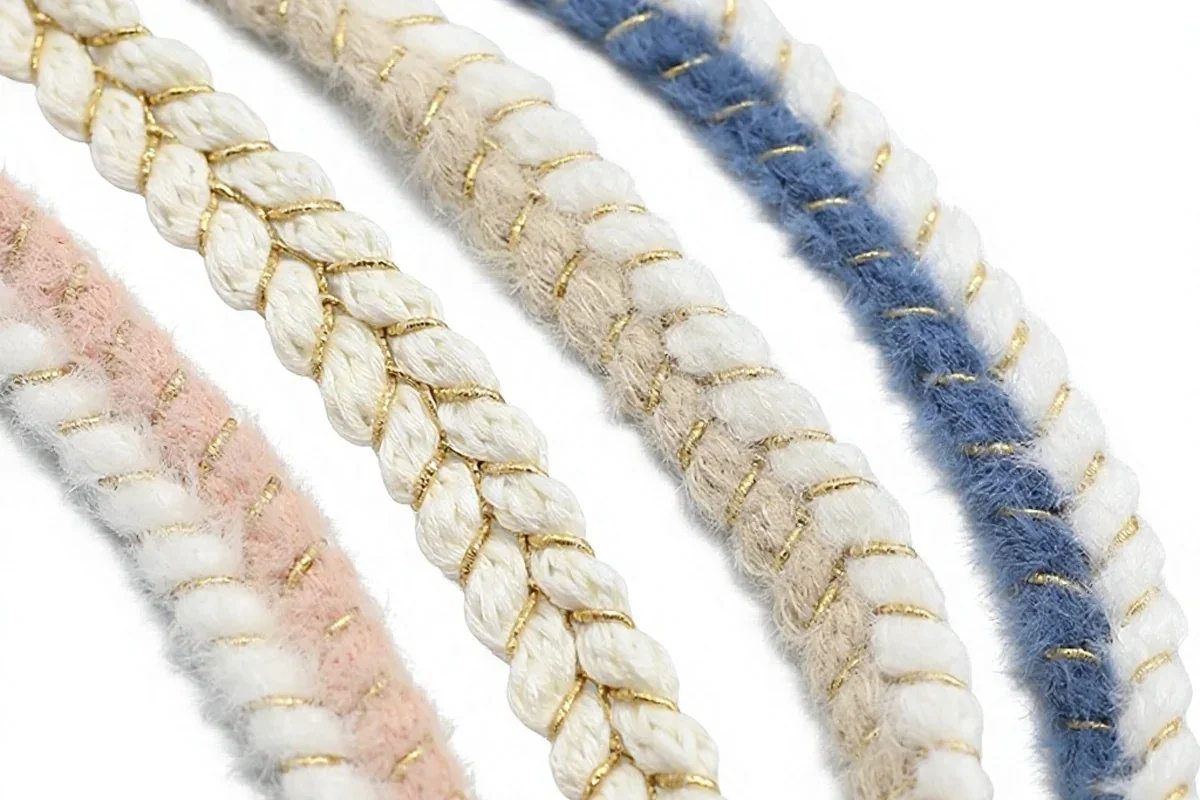
Knit stretch or elastic tension?
Knit loops can open under tension. They may not spring back like elastic yarn. A fitted band has both a resting length and a working length.
Knitted ribbon for garment edges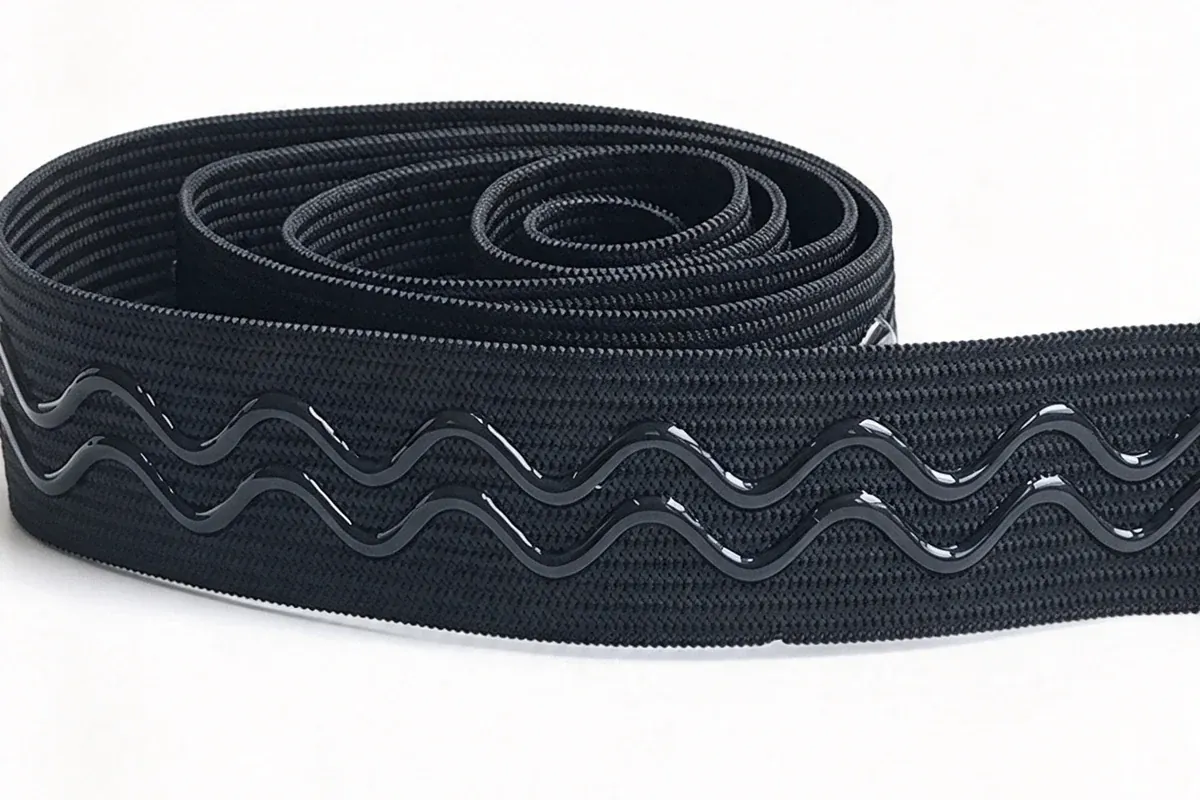
A band at the garment seam
On an exposed band, width and texture need to suit the garment. A concealed waistband can use plain elastic inside a casing. The way the band is made affects how the join bends.
Garment ribbon and waistbands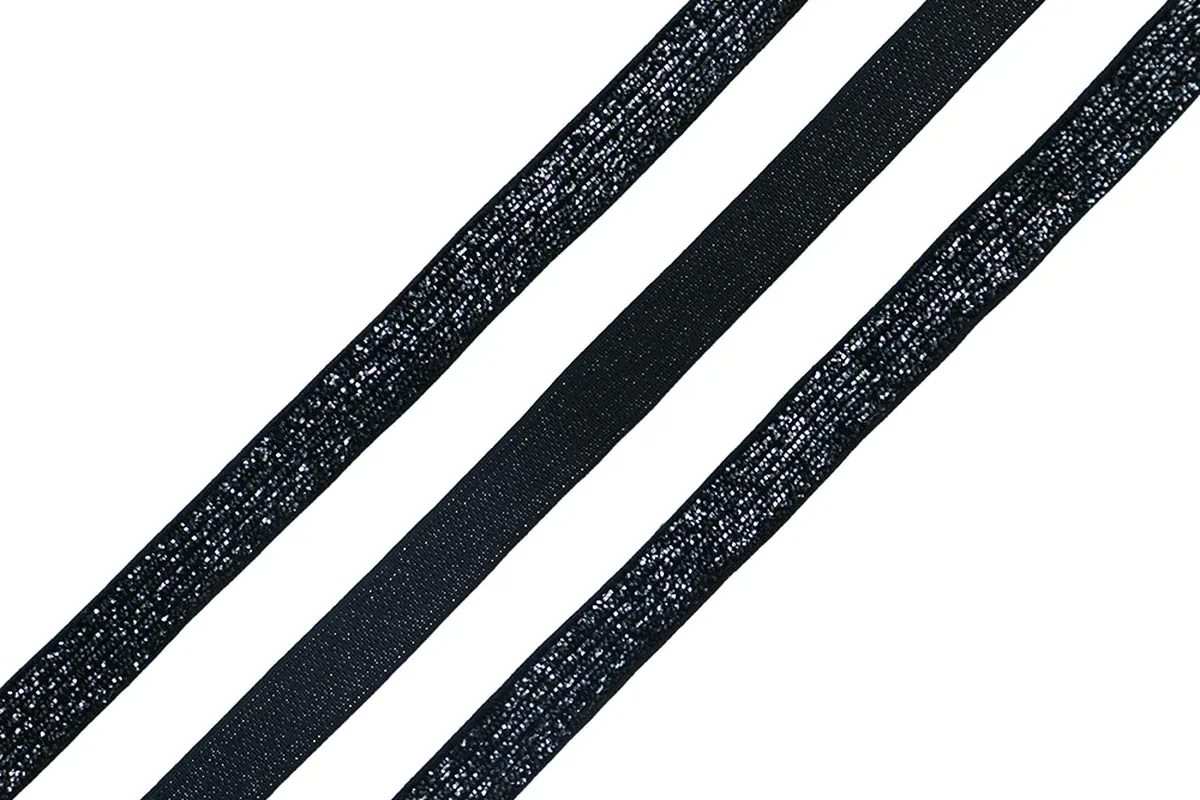
Stretch and recovery
Elastic yarn stretches as the opening widens. The knit or weave around it can change width too. We measure recovery after release, as the band returns toward its resting size.
A band built around its join
An existing loop or garment-opening measurements help us size the strip before cutting.
Discuss a custom bandElastic band formats
Elastic finishes, stretch and recovery, and supply by the roll or cut length.