
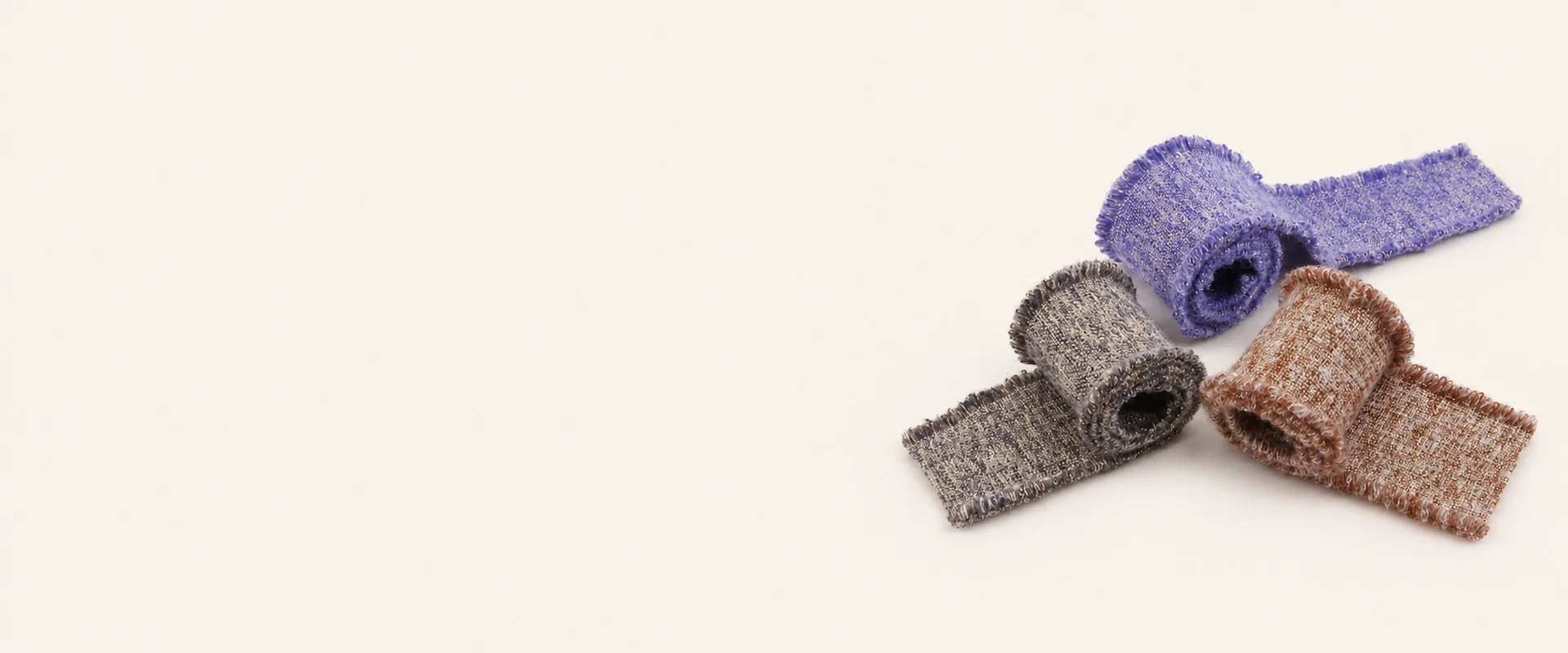
Custom Knitted Ribbon
Knitted ribbon can edge a soft neckline, form a cuff or hang as a narrow tie. We adjust the visible width and yarn structure for a sewn edge or a fitted loop.
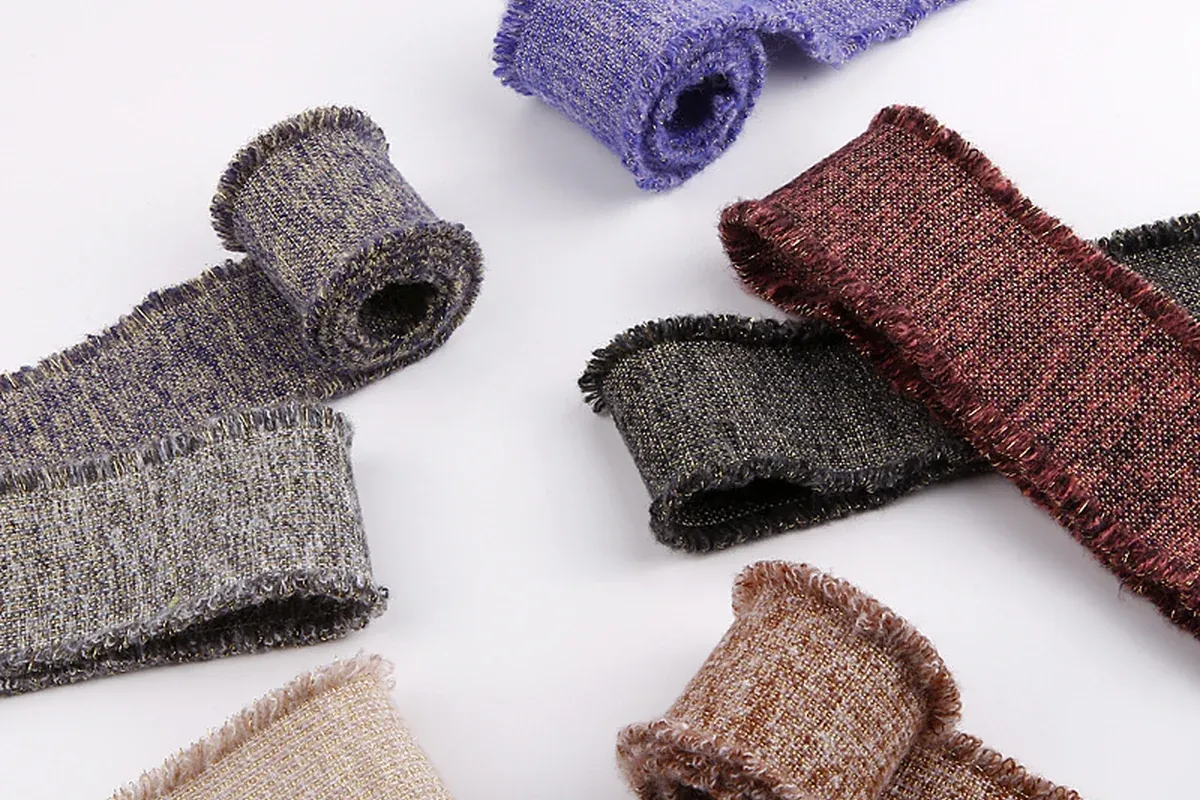
Soft knit edges and ties
- Narrow knit can follow a neckline or edge a soft garment.
- A wider band shows more of the loop texture at a cuff.
- Cotton, polyester and stretch yarns give the knit different textures and fits.
- The cut end can sit inside a seam or show on a tie, depending on the design.
- Ribbon orders start at 50 meters.
Knit trim on the garment
A sewn edge needs an even visible width. A tie shows its long edges and cut end. In a fitted cuff, yarn and seam allowance also affect the fit.

Cotton yarn
Cotton gives the exposed trim a matte surface beside the garment.
Polyester yarn
Polyester knit can give the edge a distinct color and texture.

Stretch yarn
Stretch yarn can help a fitted band return to shape.

Narrow edging
A narrow strip can edge a neckline without forming a broad border.

Wider band
A wider band shows more loops on a cuff or tie.

Cut edges
The seam or end finish affects how the loops behave at the cut.
Knit structures for soft trim
Yarn and loop structure give the edge its texture. Band width sets how much of it shows on the garment.
Photos show style references; fiber composition is confirmed with your sample.
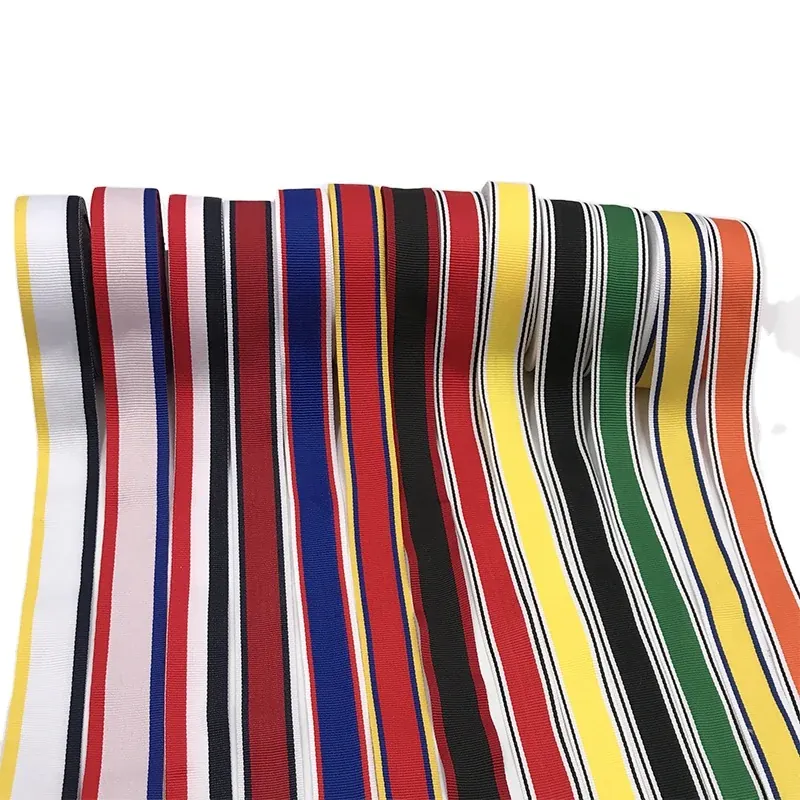
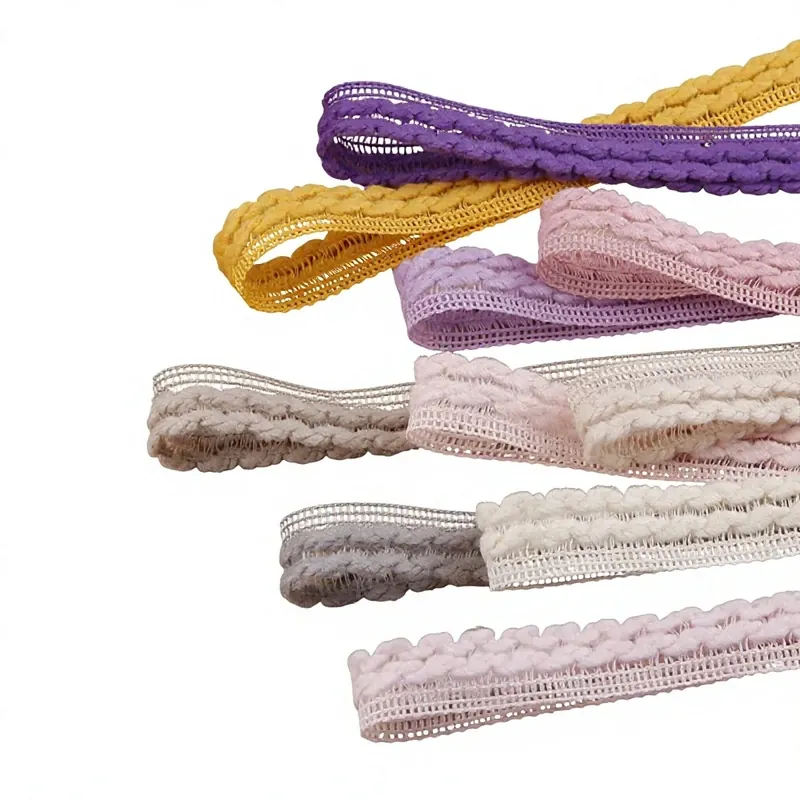
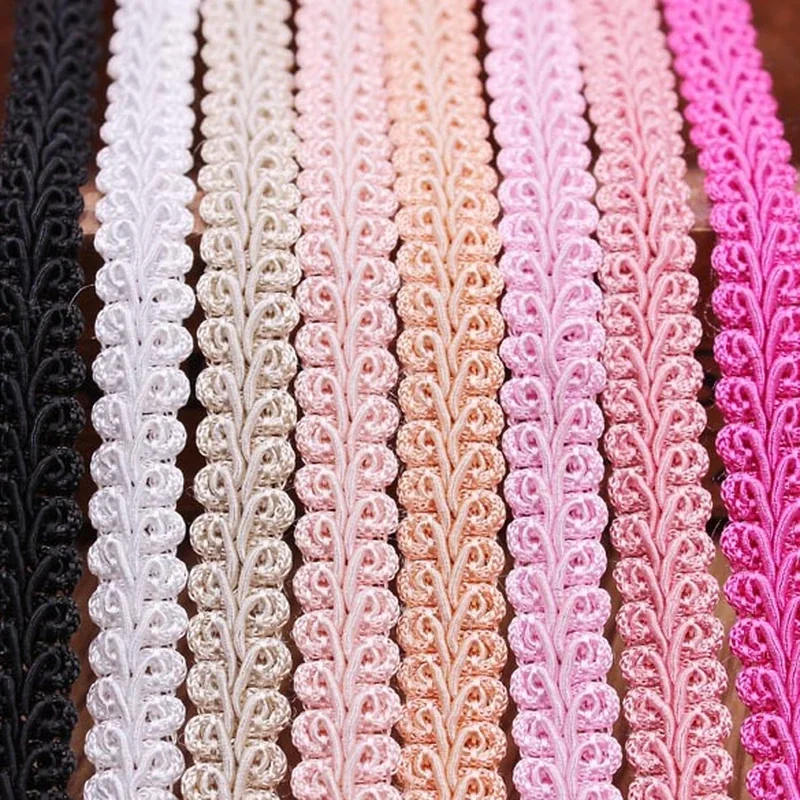
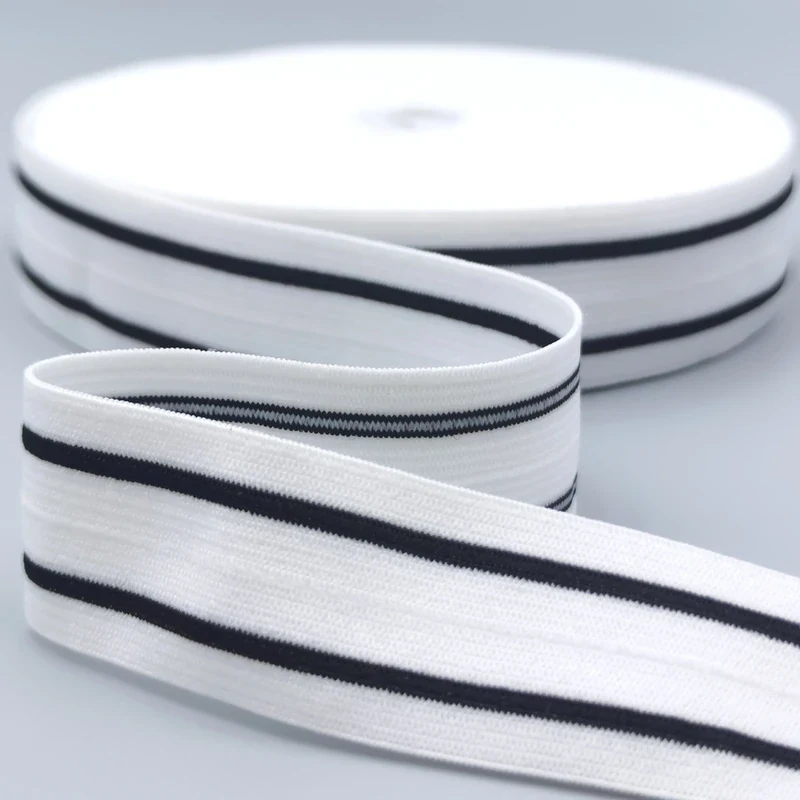
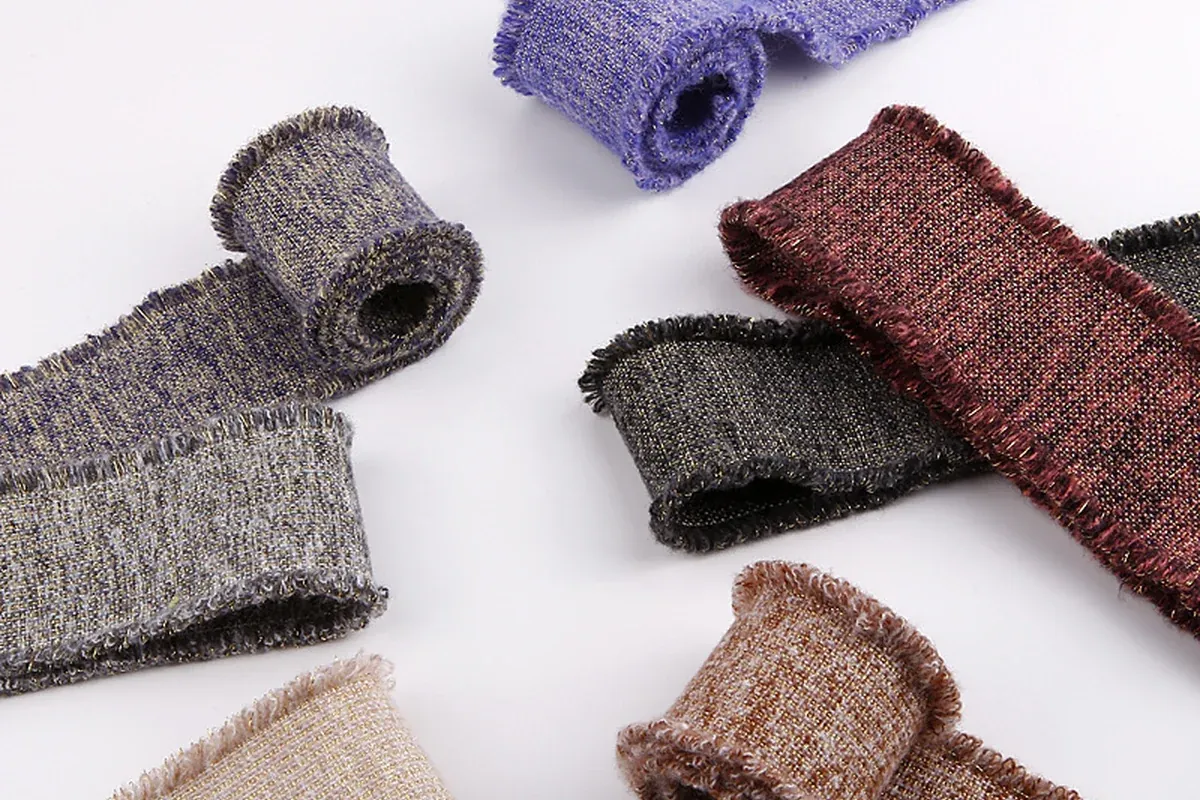
Knit yarn and trim styles
The same band looks different with one edge sewn into a seam or most of its width exposed.
-
Knitted Ribbon
Narrow knit trim follows a soft garment edge. -
Cotton Knit Ribbon
Cotton yarn can give a simple tie a matte surface. -
Polyester Knit Ribbon
Polyester knit can add a contrasting band at the garment edge. -
Stretch Knit Ribbon
Stretch yarn suits a band that flexes and recovers during wear.
Widths for cuffs, edges and ties
The same roll width can leave different amounts of trim showing. The sewn-in margin and the stretch at the opening determine the visible width.
-
Neckline edge
A narrow strip can follow the curve of the stitch line. -
Cuff band
A broader band shows the loop texture as part of the design. -
Joined opening
A short overlap or seam closes the cut strip into a loop. -
Hanging tie
Both long edges and the full strip width show on a loose tie.
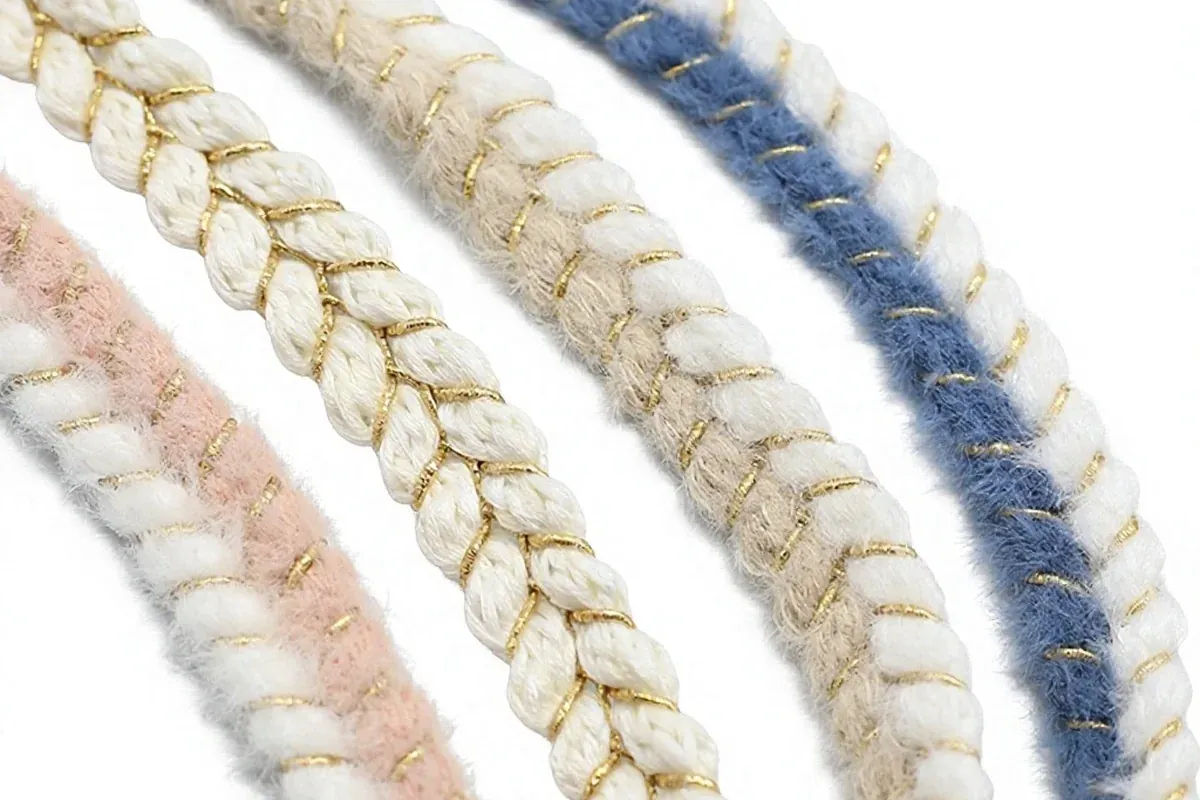
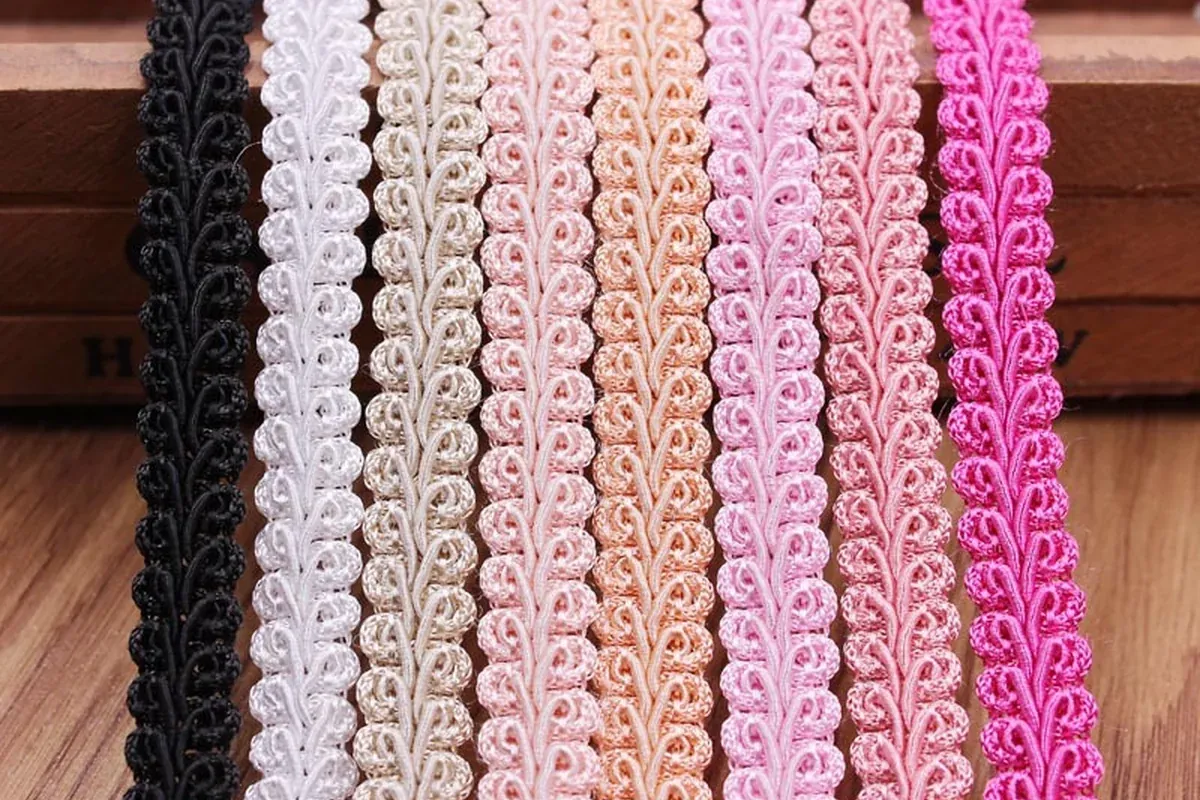
Knit color on the garment
Garment color can show through gaps between the loops.
-
Matte yarn
Cotton has a soft, low-sheen surface. -
Solid band
A single shade can run across the whole visible band. -
Color contrast
A contrasting trim can frame a collar or sleeve. -
Open loops
The background can show through when the band stretches during wear.
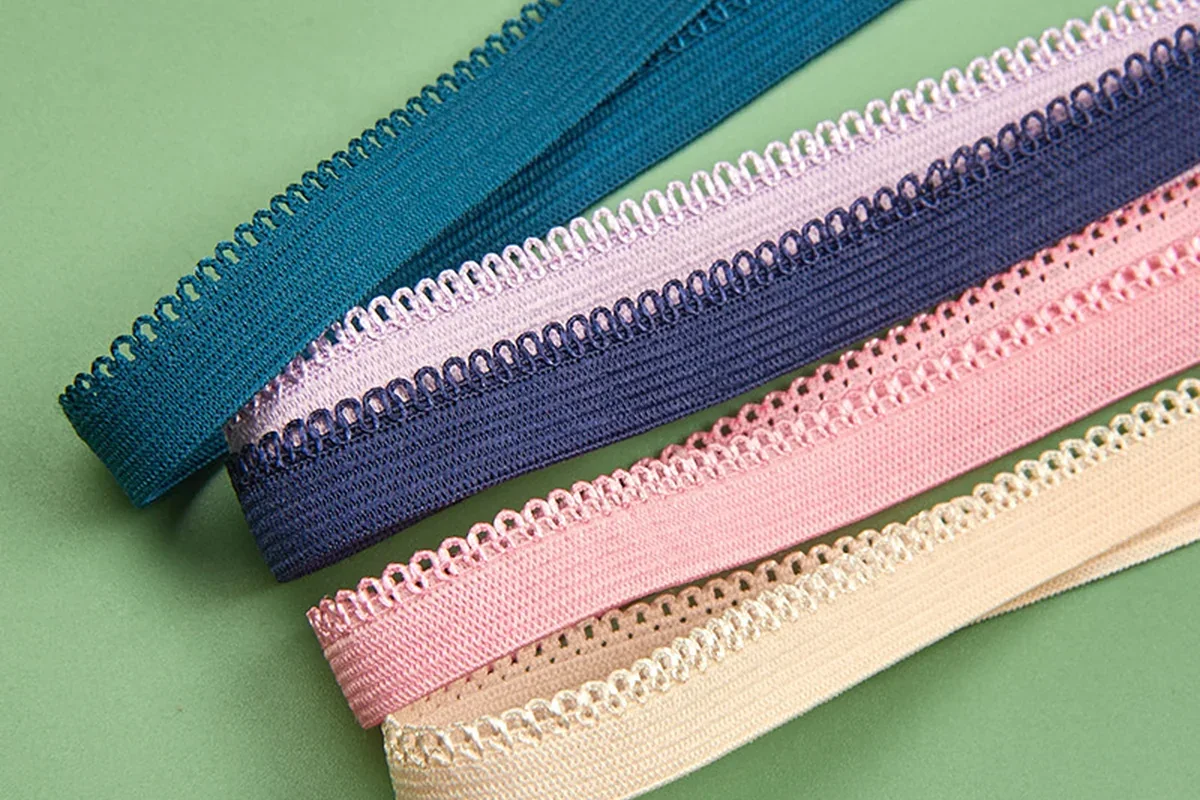
Open edges and fitted bands
We can supply decorative edging or bands for repeated garment pieces. Knit loops give some movement. A closer fit may need stretch yarn.
-
Unjoined trim
One strip can follow a curved seam without closing into a loop. -
Fitted cuff
The opening sets the fitted length. The join needs its own allowance. -
Loose tie
A loose tie can use a softer knit because it needs less grip. -
Cut edge
Hidden and exposed ends need different finishes.
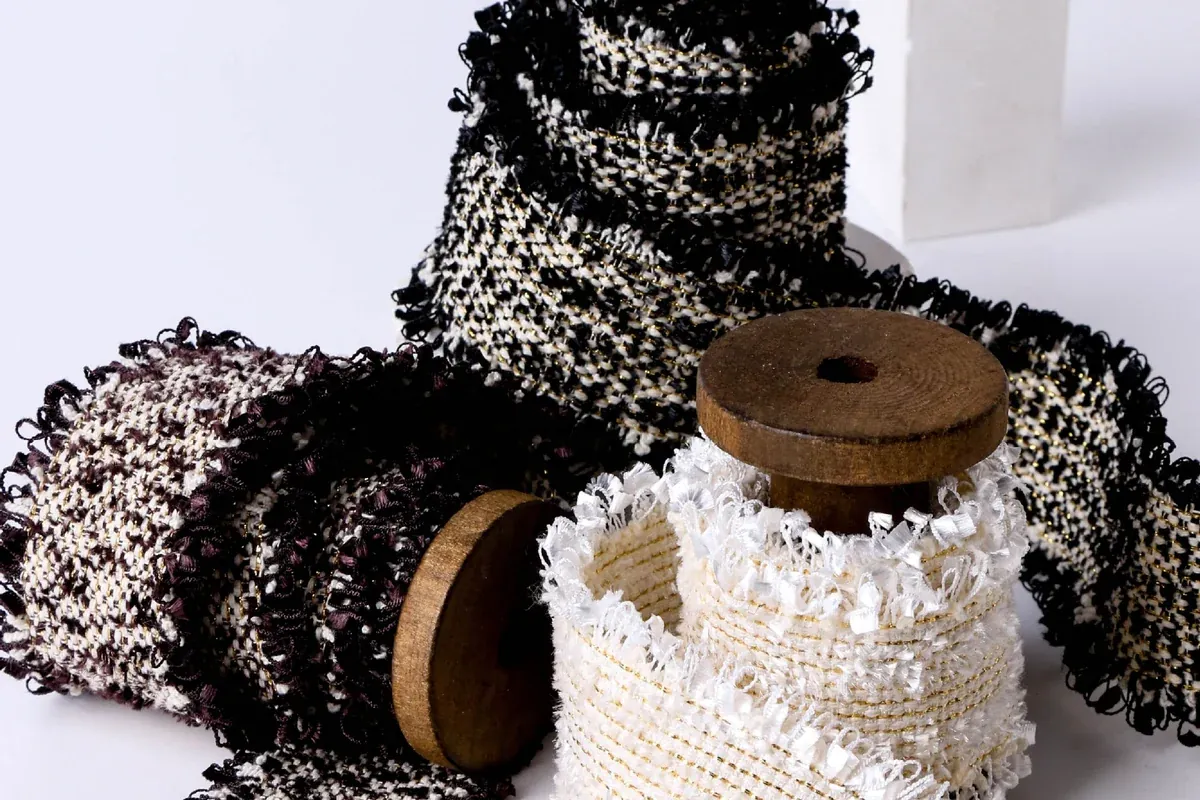
Rolls and pieces for sewing
Knit trim can come on rolls or in cut lengths for repeated garment pieces.
-
Roll format
A sewing team can cut several sizes from one roll. -
Relaxed measure
Measuring the roll at rest keeps the quantity consistent. -
Size sets
Cut pieces can be grouped by garment size. -
Knit identification
Labels can give the yarn color, knit structure and width.
Yarns for knitted trim
Soft yarn and interlocking loops let the trim flex along a garment edge.
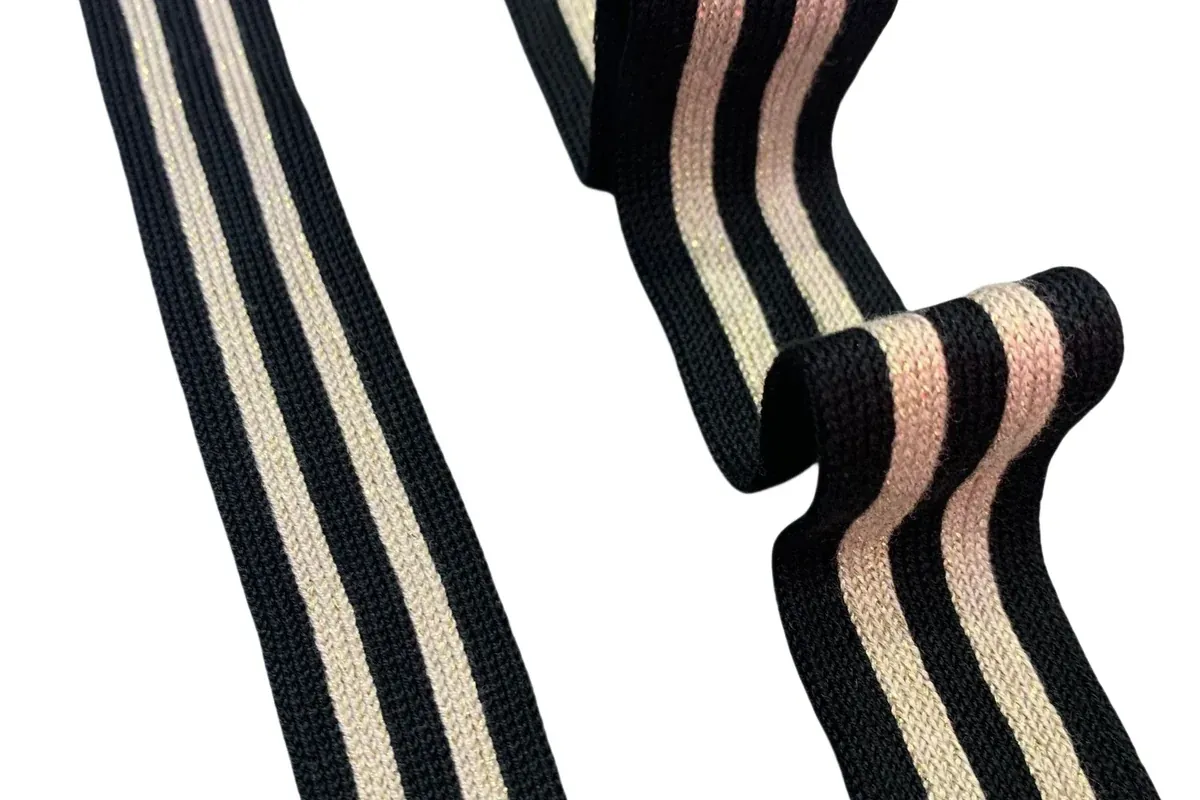
Knit yarn for garment seams
Cotton or polyester knit can edge a soft neckline or cuff. A wider exposed strip shows more loops against the garment fabric.
Ribbon for necklines and garment seams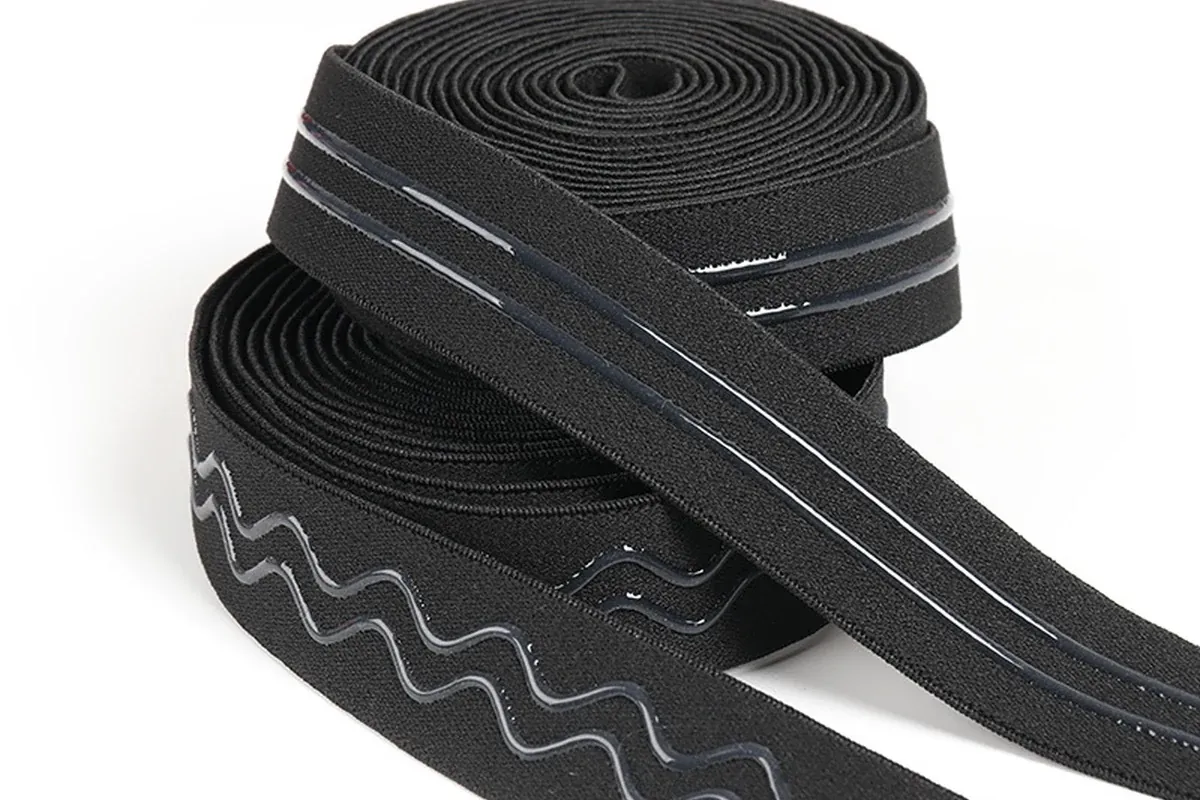
Stretch and recovery
Elastic yarn can help a fitted band spring back. Ordinary loops can open without returning to the same opening size.
Elastic ribbon for a fitted opening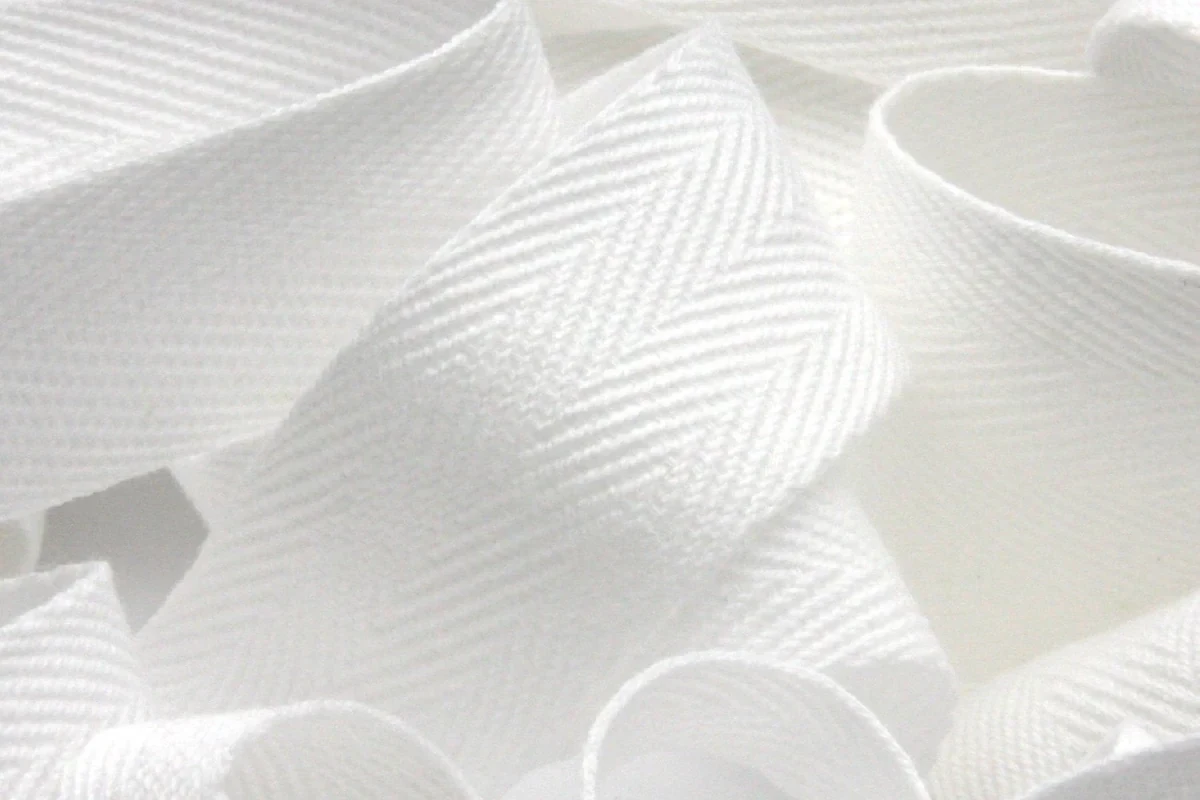
A matte cotton edge
Cotton yarn can form loops in a knit or a flatter surface in woven tape. Each gives the same seam a different finish.
Cotton tape and woven edges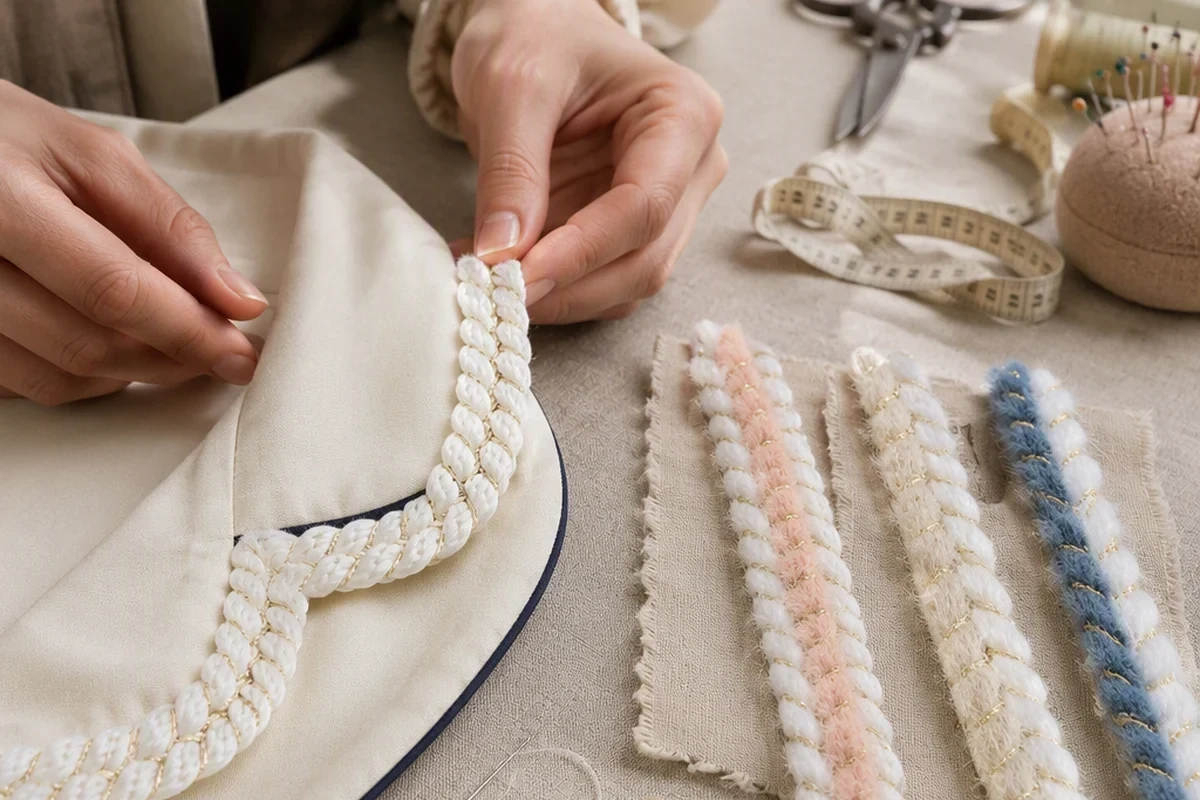
A knit edge after sewing
Knit loops can spread around an opening. A sample sewn to the garment fabric shows how the edge moves and how much width remains visible.
A knitted edge or fitted cuff
A garment sketch can show whether the trim is a narrow edge, a joined cuff or a loose tie.
Discuss a knitted bandKnitted bands and edges
Knit structure, visible width and garment-ready formats.